


淀川長治 ベスト10 【1948~1997】
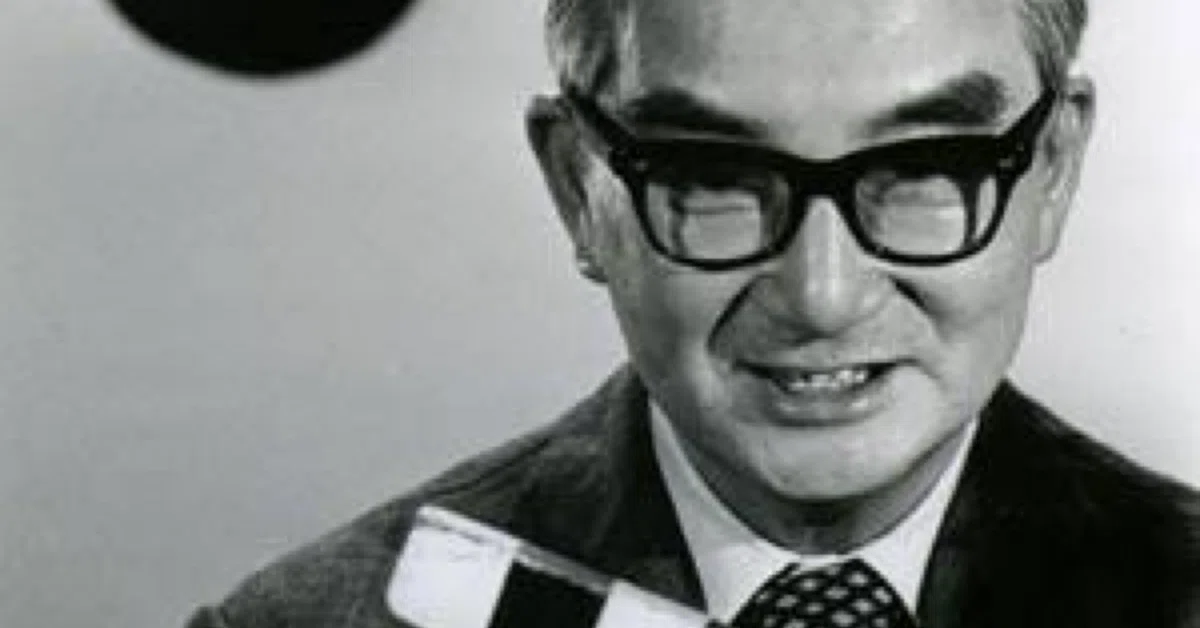
本記事は、淀川長治が映画雑誌『キネマ旬報』で、1949年から1997年まで毎年2月に発表していた映画ベスト10をデータベースとしてまとめたものである。
※()内は監督名
1948~50年代
1948年度
1. ヘンリィ5世(ローレンス・オリヴィエ)
2. 美女と野獣(ジャン・コクトー)
3. 我等の生涯の最良の年(ウィリアム・ワイラー)
4. 逢びき(デヴィッド・リーン)
5. 旅路の果て(ジュリアン・デュヴィヴィエ)
6. ミネソタの娘(ヘンリー・C・ポッター)
7. 悪魔が来る(マルセル・カルネ)
8. 海の牙(ルネ・クレマン)
9. オヴァランダース(ハリー・ワット)
10.失われた週末(ビリー・ワイルダー)
1949年度
1. 大いなる幻影(ジャン・ルノワール)
2. 戦火のかなた(ロベルト・ロッセリーニ)
3. ママの想い出(ジョージ・スティーヴンス)
4. 平和に生きる(ルイジ・ザンパ)
5. 恐るべき親達(ジャン・コクトー)
6. ハムレット(ローレンス・オリヴィエ)
7. 打撃王(サム・ウッド)
8. 仔物語(クラレンス・ブラウン監督)
9. 裸の町(ジュールス・ダッシン)
10. バラ色の人生(ジャン・フォーレ)
1950年度
1. 自転車泥棒(ヴィットリオ・デ・シーカ)
2. 赤い靴(マイケル・パウエル&エメリック・プレスバーガー)
3. 三人の妻への手紙(ジョゼフ・L・マンキーウィッツ)
4. 女相続人(ウィリアム・ワイラー)
4. 虹を掴む男(ノーマン・Z・マクロード)
6. 窓(テッド・テズラフ)
6. 靴みがき(ヴィットリオ・デ・シーカ)
8. 情婦マノン(アンリ・ジョルジュ・クルーゾー)
8. 天国への階段(マイケル・パウエル&エメリック・プレスバーガー)
10. のんき大将・脱線の巻(ジャック・タチ)
1952年度
(外国映画)
1. 巴里のアメリカ人(ヴィンセント・ミネリ)
2. チャップリンの殺人狂時代(チャールズ・チャップリン)
3. 河(ジャン・ルノワール)
4. 第三の男(キャロル・リード)
5. 令嬢ジュリー(アルフ・シェーベルイ)
6. ミラノの奇蹟(ヴィットリオ・デ・シーカ)
7. アフリカの女王(ジョン・ヒューストン)
8. 天井桟敷の人々(マルセル・カルネ)
9. 陽のあたる場所(ジョージ・スティーヴンス)
10. ホフマン物語(マイケル・パウエル&エメリック・プレスバーガー)
(日本映画)
1. 生きる(黒澤明)
2. カルメン純情す(木下恵介)
3. 本日休診(渋谷実)
4. 稲妻(成瀬巳喜男)
5. 現代人(渋谷実)
6. 虎の尾を踏む男達(黒澤明)
7. 西鶴一代女(溝口健二)
8. おかあさん(成瀬巳喜男)
9. 慟哭(佐分利信)
10. 大仏さまと子供たち(清水宏)
1954年度
(外国映画)
1. 嘆きのテレーズ(マルセル・カルネ)
2. 恐怖の報酬(アンリ=ジョルジュ・クルーゾー)
3. 偽りの花園(ウィリアム・ワイラー)
4. ロミオとジュリエット(レナート・カステラ―ニ)
5. しのび逢い(ルネ・クレマン)
6. 波止場(エリア・カザン)
7. 青い麦(クロード・オータン=ララ)
8. 掠奪された七人の花嫁(スタンリー・ドーネン)
9. 狂熱の孤独(イヴ・アレグレ)
10. ローマの休日(ウィリアム・ワイラー)
(日本映画)
1. 女の園(木下恵介)
2. 二十四の瞳(木下恵介)
3. 山の音(成瀬巳喜男)
4. 黒い潮(山村聰)
5. 近松物語(溝口健二)
6. 大阪の宿(五所平之助)
7. 晩菊(成瀬巳喜男)
8. 春菊物語(伊藤大輔)
9. 七人の侍(黒澤明)
10. 若い人たち(吉村公三郎)
1955年度
1. エデンの東(エリア・カザン)
2. やぶにらみの暴君(ポール・グリモー)
3. 旅情(デイヴィッド・リーン)
4. ナポリの饗宴(エットーレ・ジャンニ―ニ)
5. 夏の嵐(ルキノ・ヴィスコンティ)
6. フレンチ・カンカン(ジャン・ルノワール)
7. 裏窓(アルフレッド・ヒッチコック)
8. 悪魔のような女(アンリ=ジョルジュ・クルーゾー)
9. 洪水の前(アンドレ・カイヤット)
10. 現金に手を出すな(ジャック・ベッケル)
1956年度
1. 居酒屋(ルネ・クレマン)
2. ピクニック(ジョシュア・ローガン)
3. 歴史は女で作られる(マックス・オフュルス)
4. 黄金の腕(オットー・プレミンジャー)
5. 王様と私(ウォルター・ラング)
6. リチャード三世(ローレンス・オリヴィエ)
7. 白鯨(ジョン・ヒューストン)
8. 必死の逃亡者(ウィリアム・ワイラー)
9. 夜の騎士道(ルネ・クレール)
10. ジャイアンツ(ジョージ・スティーヴンス)
1957年度
(外国映画)
1. 戦場にかける橋(デイヴィッド・リーン)
2. リラの門(ルネ・クレール)
3. 翼よ!あれが巴里の灯だ(ビリー・ワイルダー)
4. カビリアの夜(フェデリコ・フェリーニ)
5. ベビイ・ドール(エリア・カザン)
6. 抵抗(ロベール・ブレッソン)
7. 友情ある説得(ウィリアム・ワイラー)
8. 汚れなき悪戯(ラディスラオ・ヴァホダ)
9. 夜を逃れて(フレッド・ジンネマン)
10. 最前線(アントニー・マン)
(日本映画)
1. 喜びも悲しみも幾歳月(木下恵介)
2. あらくれ(成瀬巳喜男)
3. 幕末太陽伝(川島雄三)
4. 米(今井正)
5. 大阪物語(吉村公三郎)
6. 蜘蛛巣城(黒澤明)
7. 風前の灯(木下恵介)
8. 正義派(渋谷実)
9. 異母兄弟(家城巳代治)
10. 純愛物語(今井正)
1958年度
(外国映画)
1. 白夜(ルキノ・ヴィスコンティ)
2. 大いなる西部(ウィリアム・ワイラー)
3. 僕の伯父さん(ジャック・タチ)
4. 死刑台のエレベーター(ルイ・マル)
5. 女の一生(アレクサンドル・アストリュック)
6. 河は呼んでいる(フランソワ・ヴィリエ)
7. めまい(アルフレッド・ヒッチコック)
8. 情婦(ビリー・ワイルダー)
9. 鉄道員(ピエトロ・ジェルミ)
10. 海の壁(ルネ・クレマン)
(日本映画)
1. 炎上(市川崑)
2. 楢山節考(木下恵介)
3. 彼岸花(小津安二郎)
4. 隠し砦の三悪人(黒澤明)
5. 杏っ子(成瀬巳喜男)
6. 白蛇伝(大川博)
7. 結婚のすべて(岡本喜八)
8. 紅の翼(中平康)
9. 裸の太陽(家城巳代治)
10. 無法松の一生(稲垣浩)
1959年度
(外国映画)
1. 恋人たち(ルイ・マル)
2. 十二人の怒れる男(シドニー・ルメット)
3. 恋の手ほどき(ヴィンセント・ミネリ)
4. いとこ同志(クロード・シャブロル)
5. 青春群像(フェデリコ・フェリーニ)
6. 悪魔の発明(カレル・ゼーマン)
7. 年上の女(ジャック・クレイトン)
8. メイム叔母さん(モートン・ダコスタ)
9. 掟(ジュールス・ダッシン)
10. 可愛い悪魔(クロード・オータン=ララ)
(日本映画)
1. キクとイサム(今井正)
2. 鍵(市川崑)
3. にあんちゃん(今村昌平)
4. 風花(木下恵介)
5. 荷車の歌(山本薩夫)
6. 野火(市川崑)
7. 浪速の恋の物語(内田吐夢)
8. 惜春鳥(木下恵介)
9. お早う(小津安二郎)
10. 鹿島灘の女(山村聰)
1960年代
1960年度
(外国映画)
1. 太陽がいっぱい(ルネ・クレマン)
2. 甘い生活(フェデリコ・フェリーニ)
3. 大人は判ってくれない(フランソワ・トリュフォー)
4. 女はそれを待っている(イングマール・ベルイマン)
5. 二重の鍵(クロード・ジャブロル)
6. スリ(ロベール・ブレッソン)
7. チャップリンの独裁者(チャールズ・チャップリン)
8. ロべレ将軍(ロベルト・ロッセリーニ)
9. 黒いオルフェ(マルセル・カミュ)
10. アパートの鍵貸します(ビリー・ワイルダー)
(日本映画)
1. おとうと(市川崑)
2. 笛吹川(木下恵介)
3. 悪い奴ほどよく眠る(黒澤明)
4. 秋日和(小津安二郎)
5. 黒い画集(堀川弘通)
6. 妖刀物語 花の𠮷原百人斬り(内田吐夢)
7. ぼんち(市川崑)
8. 太陽の墓場(大島渚)
9. 大いなる旅路(関川秀雄)
10. 武器なき斗い(山本薩夫)
1961年度
(外国映画)
1. 素晴らしい風船旅行(アルベール・ラモリス)
2. 処女の泉(イングマール・ベルイマン)
3. ウェスト・サイド物語(ロバート・ワイズ)
4. 地下鉄のザジ(ルイ・マル)
5. 荒馬と女(ジョン・ヒューストン)
6. 草原の輝き(エリア・カザン)
7. 真実(アンリ=ジョルジュ・クルーゾー)
8. 土曜の夜と日曜の朝(カレル・ライズ)
9. アメリカの裏窓(フランソワ・レシェンバック)
10. 鞄を持った女(ヴァレリオ・ズルリーニ)
(日本映画)
1. 反逆児(伊藤大輔)
2. 不良少年(羽仁進)
3. 用心棒(黒澤明)
4. 永遠の人(木下恵介)
5. 名もなく貧しく美しく(松山善三)
6. 人間の條件・完結編(小林正樹)
7. 小早川家の秋(小津安二郎)
8. 女は二度生まれる(川島雄三)
9. 悪名(田中徳三)
10. もず(渋谷実)
1962年度
(外国映画)
1. 野いちご(イングマール・ベルイマン)
2. 情事(ミケランジェロ・アントニオーニ)
3. 太陽はひとりぼっち(ミケランジェロ・アントニオーニ)
4. ハタリ!(ハワード・ホークス)
5. ニュールンベルグ裁判(スタンリー・クレイマー)
6. 夜(ミケランジェロ・アントニオーニ)
7. 私生活(ルイ・マル)
8. 怒りの葡萄(ジョン・フォード)
9. 血とバラ(ロジェ・ヴァディム)
10. 2ペンスの希望(レナート・カステラーニ)
(日本映画)
1. 私は二歳(市川崑)
2. キューポラのある街(浦山桐郎)
3. 椿三十郎(黒澤明)
4. おとし穴(勅使河原宏)
5. 秋刀魚の味(小津安二郎)
6. 人間(新藤兼人)
7. 雁の寺(川島雄三)
8. 恋や恋なすな恋(内田吐夢)
9. 秋津温泉(吉田喜重)
10. 東京湾(野村芳太郎)
1963年度
(外国映画)
1. アラビアのロレンス(デヴィッド・リーン)
2. 第七の封印(イングマール・ベルイマン)
3. シシリーの黒い霧(フランチェスコ・ロージ)
4. シベールの日曜日(セルジュ・ブールギニョン)
5. シャレード(スタンリー・ドーネン)
6. 女と男のいる舗道(ジャン=リュック・ゴダール)
7. 鳥(アルフレッド・ヒッチコック)
8. ピアニストを撃て(フランソワ・トリュフォー)
9. 奇跡の人(アーサー・ペン)
10. 5時から7時までのクレオ(アニエス・ヴェルダ)
(日本映画)
1. 天国と地獄(黒澤明)
2. にっぽん昆虫記(今村昌平)
3. 太平洋ひとりぼっち(市川崑)
4. 白と黒(堀川弘通)
5. 五番町夕霧桜(田坂具隆)
6. 越前竹人形(吉村公三郎)
7. 雪之丞変化(市川崑)
8. 彼女と彼(羽仁進)
9. みんなわが子(家城巳代治)
10.母(新藤兼人)
1964年度
突然炎のごとく(フランソワ・トリュフォー)
沈黙(イングマール・ベルイマン)
山猫(ルキノ・ヴィスコンティ)
去年マリエンバードで(アラン・レネ)
軽蔑(ジャン・リュック=ゴダール)
マイ・フェア・レディ(ジョージ・キューカー)
パサジェルカ(アンジェイ・ムンク)
ハムレット(グレゴリー・コージンツェフ)
トム・ジョーンズの華麗な冒険(トニー・リチャードソン)
かくも長き不在(アンリ・コルビ)
1965年度
(外国映画)
1. 8 1/2(フェデリコ・フェリーニ)
2. コレクター(ウィリアム・ワイラー)
3. 柔らかい肌(フランソワ・トリュフォー)
4. あゝ結婚(ヴィットリオ・デ・シーカ)
5. 誘惑されて棄てられて(ピエトロ・ジェルミ)
6. 明日に生きる(マリオ・モニチェリ)
7. メリー・ポピンズ(ロバート・スティーヴンソン)
8. 素晴らしきヒコーキ野郎(ケン・アナキン)
9. 野望の系列(オットー・プレミンジャー)
10. その男ゾルバ(マイケル・カコヤニス)
(日本映画)
1. 赤ひげ(黒澤明)
2. 東京オリンピック(市川崑)
3. にっぽん泥棒物語(山本薩夫)
4. 冷飯とおさんとちゃん(田坂具隆)
5. 日本列島(熊井啓)
6. 証人の椅子(山本薩夫)
7. ブワナ・トシの歌(羽仁進)
8. 恐山の女(五所平之助)
9. 各駅停車(井上和男)
10. けものみち(須川栄三)
1966年度
(外国映画)
1. マドモアゼル(トニー・リチャードソン)
2. 大地のうた(サタジット・レイ)
3. 魂のジュリエッタ(フェデリコ・フェリーニ)
4. 市民ケーン(オーソン・ウェルズ)
5. ビバ!マリア(ルイ・マル)
6. 小間使いの日記(ルイス・ブニュエル)
7. 幸福(アニエス・ヴェルダ)
8. テキサスの五人の仲間(フィルダー・クック)
9. オセロ(スチュアート・バージ)
10. ミクロの決死園(リチャード・フライシャー)
(日本映画)
1. 白い巨塔(山本薩夫)
2. こころの山脈(吉村公三郎)
3. 人類学入門(今村昌平)
4. アンデスの花嫁(羽仁進)
5. 湖の琴(田坂具隆)
6. 紀ノ川(中村登)
7. 女の中にいる他人(成瀬巳喜男)
8. 他人の顔(勅使河原宏)
9. われら人間家族(勝目貴久)
10. とべない沈黙(黒木和雄)
1967年度
1. 欲望(ミケランジェロ・アントニーオーニ)
2. 気狂いピエロ(ジャン=リュック・ゴダール)
3. 真実の瞬間(フランチェスコ・ロージ)
4. アルジェの戦い(ジッロ・ポンテコルヴォ)
5. ふたりだけの窓(ジョン&ロイ・ブールディング)
6. ロシュフォールの恋人たち(ジャック・ドゥミ)
7. 戦争は終わった(アラン・レネ)
8. 城の生活(ジャン=ポール・ラブノー)
9. 華氏451(フランソワ・トリュフォー)
10. バージニア・ウルフなんかこわくない(マイク・ニコルズ)
1968年度
2001年宇宙の旅(スタンリー・キューブリック)
ロミオとジュリエット(フランコ・ゼフィレッリ)
召使(ジョゼフ・ロージー)
イタリア式奇蹟(フランチェスコ・ロージー)
男性・女性(ジャン=リュック・ゴダール)
俺たちに明日はない(アーサー・ペン)
卒業(マイク・ニコルズ)
暗くなるまで待って(テレンス・ヤング)
遥かなる戦場(トニー・リチャードソン)
異邦人(ルキノ・ヴィスコンティ)
1969年度
アポロンの地獄(ピエル・バオロ・パゾリーニ)
ジョンとメリー(ピーター・イエーツ)
真夜中のカーボーイ(ジョン・シュレンジャー)
if もしも…(リンゼイ・アンダーソン)
イエロー・サブマリン(ジョージ・ダニング)
ローズマリーの赤ちゃん(ロマン・ポランスキー)
できごと(ジョセフ・ロージー)
吸血鬼(ロマン・ポランスキー)
悪魔のような恋人(トニー・リチャードソン)
ジョアンナ(マイケル・サーン)
1970年代
1970年度
サテリコン(フェデリコ・フェリーニ)
ストライキ(セルゲイ・M・エイゼンシュテイン)
裸足のイサドラ(カレル・ライス)
地獄に堕ちた勇者ども(ルキノ・ヴィスコンティ)
ひとりぼっちの青春(シドニー・ポラック)
冬のライオン(アンソニー・ハーヴィー)
バルタザールどこへ行く(ロベール・ブレッソン)
王女メディア(ピエル・パオロ・パゾリーニ)
素晴らしき戦争(リチャード・アッテンボロー)
明日に向かって撃て!(ジョージ・ロイ・ヒル)
1971年度
ベニスに死す(ルキノ・ヴィスコンティ)
ファイブ・イージー・ピーセス(ボブ・ラファエルソン)
屋根の上のバイオリン弾き(ノーマン・ジュイソン)
バニシング・ポイント(リチャード・C・サラフィアン)
ライアンの娘(デヴィッド・リーン)
告白(コスタ・ガブラス)
わが青春のフロレンス(マウロ・ボロニ―ニ)
山いぬ(カルロ・リッツァーニ)
小さな巨人(アーサー・ペン)
罪と罰(レフ・クリジャーノフ)
1972年度
(外国映画)
1. フェリーニのローマ(フェデリコ・フェリーニ)
2. 時計じかけのオレンジ(スタンリー・キューブリック)
3. 愛すれど哀しく(マウロ・ボロニ―ニ)
4. フレンチ・コネクション(ウィリアム・フリードキン)
5. フレンジー(アルフレッド・ヒッチコック)
6. ボーイフレンド(ケン・ラッセル)
7. 真夜中のパーティー(ウィリアム・フリードキン)
8. ジュニア・ボナー/華麗なる挑戦(サム・ペキンパー)
9. 大いなる勇者(シドニー・ポラック)
10. 死刑台のメロディ(ジュリア―ノ・モンタルド)
(日本映画)
1. 約束(斎藤耕一)
2. サマー・ソルジャー(勅使河原宏)
3. 故郷(山田洋次)
4. 軍旗はためく下に(深作欣二)
5. 旅の重さ(斎藤耕一)
6. 忍ぶ川(熊井啓)
7. 海軍特別年少兵(今井正)
8. 午前中の時間割り(羽仁進)
9. 男はつらいよ・柴又慕情(山田洋次)
10. あゝ声なき友(今井正)
1973年度
スケアクロウ(ジェリー・シャッツバーグ)
ジョニーは戦場へ行った(ドルトン・トランボ)
ブラザー・サン シスター・ムーン(フランコ・ゼフィレッリ)
マクベス(ロマン・ポランスキー)
ロイ・ビーン(ジョン・ヒューストン)
ポセイドン・アドベンチャー(ロナルド・ニーム9
L.B.ジョーンズの解放(ウィリアム・ワイラー)
ジャッカルの日(フレッド・ジンネマン)
サウンダー(マーティン・リット)
フォロー・ミー(キャロル・リード)
1974年度
フェリーニのアマルコルド(フェデリコ・フェリーニ)
映画に愛をこめて アメリカの夜(フランソワ・トリュフォー)
叫びとささやき(イングマール・ベルイマン)
大樹のうた(サタジット・レイ)
私のように美しい娘(フランソワ・トリュフォー)
スティング(ジョージ・ロイ・ヒル)
ペーパー・ムーン(ピーター・ボグダノヴィッチ)
カンバセーション…盗聴…(フランシス・F・コッポラ)
パピヨン(フランクリン・J・シャフナー)
シンデレラ・リバティー/かぎりなき愛(マーク・ライデル)
1975年度
ザッツ・エンターテイメント(ジャック・ヘイリー)
レニー・ブルース(ボブ・フォッシー)
ルシアンの青春(ルイ・マル)
ハリーとトント(ポール・マザースキー)
薔薇のスタビスキー(アラン・レネ)
アリスの恋(マーティン・スコセッシ)
冬の光(イングマール・ベルイマン)
チャイナタウン(ロマン・ポランスキー)
フレンチ・コネクション2(ジョン・フランケンハイマー)
デルス・ウザーラ(黒澤明)
1976年度
トリュフォーの思春期(フランソワ・トリュフォー)
ファミリー・プロット(アルフレッド・ヒッチコック)
ナッシュビル(ロバート・アルトマン)
バリー・リンドン(スタンリー・キューブリック)
フェリーニの道化師(フェデリコ・フェリーニ)
タクシードライバー(マーティン・スコセッシ)
狼たちの午後(シドニー・ルメット)
華麗なるヒコーキ野郎(ジョージ・ロイ・ヒル)
カッコーの巣の上で(ミロス・フォアマン)
大統領の陰謀(アラン・J・パクラ)
1977年度
ロッキー(ジョン・G・アヴィルドセン)
ダウンタウン物語(アラン・パーカー)
鬼火(ルイ・マル)
素晴らしき放浪者(ジャン・ルノワール)
戦争のはらわた(サム・ペキンパー)
惑星ソラリス(アンドレイ・タルコフスキー)
ギデオン(ジョン・フォード)
放浪紳士チャーリー(リチャード・パターソン)
シャーロックホームズの素敵な挑戦(ハーバード・ロス)
トロイアの女(マイケル・カコヤニス)
1978年度
家族の肖像(ルキノ・ヴィスコンティ)
プリティ・ベビー(ルイ・マル)
オーソン・ウェルズのフェイク(オーソン・ウェルズ)
バレンチノ(ケン・ラッセル)
ジュリア(フレッド・ジンネマン)
ピロスマニ(ゲオルギー・シェンゲラーヤ)
ミスター・グッドバーを探して(リチャード・ブルックス)
グッバイガール(ハーバート・ロス)
ナイル殺人事件(ジョン・ギラーミン)
アニー・ホール(ウッディ・アレン)
1979年度
木靴の樹(エルマンノ・オルミ)
奇跡(カール・テホ・ドライヤー)
旅芸人の記録(テオ・アンゲロプロス)
これからの人生(モーシェ・ミズラヒ)
イノセント(ルキノ・ヴィスコンティ)
郵便配達は二度ベルを鳴らす(ルキノ・ヴィスコンティ)
インテリア(ウッディ・アレン)
逃走迷路(アルフレッド・ヒッチコック)
だれのものでもないチェレ(ラースロー・ラノーディ)
リトル・ロマンス(ジョージ・ロイ・ヒル)
1980年代
1980年度
ルードウィヒ/神々の黄昏(ルキノ・ヴィスコンティ)
カサノバ(フェデリコ・フェリーニ)
クレイマー、クレイマー(ロバート・ベントン)
悲愁(ビリー・ワイルダー)
フェーム(アラン・パーカー)
マンハッタン(ウッディ・アレン)
オーケストラ・リハーサル(フェデリコ・フェリーニ)
テス(ロマン・ポランスキー)
地獄の黙示録(フランシス・F・コッポラ)
マリア・ブラウンの結婚(ライナー・ヴェルナー・ファスビンダー)
1981年度
ブリキの太鼓(フォルカー・シュレンドルフ)
アメリカの伯父さん(アラン・レネ)
女の都(フェデリコ・フェリーニ)
秋のソナタ(イングマール・ベルイマン)
約束の土地(アンジェイ・ワイダ)
チェスをする人(サタジット・レイ)
チャンス(ハル・アシュビー)
レイジング・ブル(マーティン・スコセッシ)
皆殺しの天使(ルイス・ブニュエル)
普通の人々(ロバート・レッドフォード)
1982年度
ゲームの規則(ジャン・ルノワール)
炎のランナー(ヒュー・ハドソン)
E.T.(スティーブン・スピルバーグ)
父/パードレ・パドローネ(パオロ&ヴィットリオ・タヴィアーニ兄弟)
1900年(ベルナルド・ベルトルッチ)
アレクサンダー大王(テオ・アンゲロプロス)
黄昏(マーク・ライデル)
四季(アラン・アルダ)
愛と青春の旅立ち(テイラー・ハックフォード)
愛の奴隷(ニキータ・ミハルコフ)
1983年度
ディーバ(ジャン=ジャック・ベネックス)
アギーレ 神の怒り(ヴェルナー・ヘルツォーク)
ソフィーの選択(アラン・J・パクラ)
サン・ロレンツォの夜(パオロ&ヴィットリオ・タヴィアーニ兄弟)
エボリ(フランチェスコ・ロージー)
ラグタイム(ミロス・フォアマン)
モリエール(アリアーヌ・ムヌーシュキン)
ガンジー(リチャード・アッテンボロー)
バンデッドQ(テリー・ギリアム)
天国の日々(テレンス・マリック)
1984年度
カルメン(カルロス・サウラ)
ドレッサー(ピーター・イエ―ツ)
欲望のあいまいな対象(ルイス・ブニュエル)
セブン・ビューティーズ(リナ・ウェルトミューラー)
カメレオン(ウッディ・アレン)
ストリート・オブ・ファイヤー(ウォルター・ロイ・ヒル)
パッション・ダモーレ(エットーレ・スコラ)
ナチュラル(バリー・レヴィンソン)
グレイストーク(ヒュー・ハドソン)
ライトスタッフ(フィリップ・カウフマン)
1985年度
田舎の日曜日(ベルトラン・タヴェルニエ)
アマデウス(ミロス・フォアマン)
ファニーとアレクサンデル(イングマール・ベルイマン)
カオス・シチリア物語(パオロ&ヴィットリオ・タヴィアーニ兄弟)
インドへの道(デヴィッド・リーン)
ミツバチのささやき(ビクトル・エリセ)
コーラスライン(リチャード・アッテンボロー)
パリ、テキサス(ヴィム・ヴェンダース)
路(ユルマズ・ギュネイ)
女と男の名誉(ジョン・ヒューストン)
1986年度
シテール島への船出(テオ・アンゲロプロス)
ラウンド・ミッドナイト(ベルトラン・タヴェルニエ)
ラルジャン(ロベール・ブレッソン)
カイロの紫のバラ(ウッディ・アレン)
山の焚火(フレディ・M・ムーラー)
蜘蛛女のキス(ヘクトール・バベンゴ)
ストレンジャー・ザン・パラダイス(ジム・ジャームッシュ)
群れ(ゼキ・ウクテン)
カラーパープル(スティーブン・スピルバーグ)
エイリアン2(ジェームズ・キャメロン)
1987年度
グッドモーニング・バビロン!(パオロ&ヴィットリオ・タヴィアーニ兄弟)
アメリカの友人(ヴィム・ヴェンダース)
紳士協定(エリア・カザン)
ラジオ・デイズ(ウッディ・アレン)
眺めのいい部屋(ジェームズ・アイヴォリー)
モナリザ(ニール・ジョーダン)
バウンティフルへの旅(ピーター・マスターソン)
テレーズ(アラン・カヴァリエ)
ハンナとその姉妹(ウッディ・アレン)
ベルイマンの世界(イングマール・ベルイマン)
1988年度
ザ・テッド(ジョン・ヒューストン)
八月の鯨(リンゼイ・アンダーソン)
ベルリン・天使の詩(ヴィム・ヴェンダース)
都会のアリス(ヴィム・ヴェンダース)
黒い瞳(ニキータ・ミハルコフ)
月の輝く夜に(ノーマン・ジュイソン)
マカロニ(エットーレ・スコラ)
モーリス(ジェームズ・アイヴォリー)
インテルビスタ(フェデリコ・フェリーニ)
サロメ(ケン・ラッセル)
1989年度
生きるべきか死ぬべきか(エルンスト・ルビッチ)
小熊物語(ジャン=ジャック・アノー)
ペレ(ビレ・アウグスト)
バベットの晩餐会(ガブリエル・アクセル)
ニュー・シネマ・パラダイス(ジュゼッペ・トルナトーレ)
セックスと噓とビデオテープ(スティーヴン・ソダ―バーグ)
恋恋風塵(ホウ・シャオシエン)
紅いコーリャン(チャン・イ―モウ)
レンブラント(ヨス・ステリング)
トーチング・トリロジー(ポール・ボガート)
1990年代
1990年度
フィールド・オブ・ドリームス(フィル・アルデン・ロビンソン)
霧の中の風景(テオ・アンゲロプロス)
菊豆(チャン・イーモウ)
コックと泥棒、その妻と愛人(ピーター・グリーナウェイ)
天国は待ってくれる(エルンスト・ルビッチ)
冬冬の夏休み(ホウ・シャオシエン)
聖なる酔っ払いの伝説(エルマンノ・オルミ)
愛と野望のナイル(ボブ・ラファエルソン)
ブルックリン最終出口(ウリ・エデル)
非情城市(ホウ・シャオシエン)
1991年度
シェルタリング・スカイ(ベルナルド・ベルトルッチ)
英国式庭園殺人事件(ピーター・グリーナウェイ)
プロスペローの本(ピーター・グリーナウェイ)
アリス(ウッディ・アレン)
冬の旅(アニエス・ヴェルダ)
トト・ザ・ヒーロー(ジャコ・ヴァン・ドルマル)
シザーハンズ(ティム・バートン)
ミラーズ・クロッシング(ジョエル・コーエン)
真実の瞬間(アーウィン・ウィンクラ―)
アシク・ケリブ(セルゲイ・パラジャーノフ&ダヴィッド・アバシッゼ)
1992年度
ヒア・マイ・ソング(ピーター・チェルソム)
ナイト・オン・ザ・プラネット(ジム・ジャームッシュ)
仕立て屋の恋(パトリス・ルコント)
バートン・フィンク(ジョエル・コーエン)
ロンドン・キルズ・ミー(ハニフ・クレイシ)
シンプルメン(ハル・ハートリー)
ハイヒール(ペドロ・アルモドヴァル)
ハワード・エンド(ジェームズ・アイヴォリー)
ラヴィ・ド・ボエーム(アキ・カウリスマキ)
アダムス・ファミリー(バリー・ソネンフェルド)
1993年度
マルメロの陽光(ヴィクトル・エリセ)
ベイビー・オブ・マコン(ピーター・グリーナウェイ)
クライング・ゲーム(ニール・ジョーダン)
オルランド(サリー・ポッター)
戯夢人生(ホウ・シャオシエン)
赤い薔薇ソースの伝説(アルフォンソ・アラウ)
妹の恋人(ジェレマイア・S・チェチック)
リバー・ランズ・スルー・イット(ロバート・レッドフォード)
から騒ぎ(ケネス・ブラナー)
オリヴィエ オリヴィエ(アニエスカ・ホランド)
1994年度
オリーブの林をぬけて(アッバス・キアロスタミ)
ギブバート・グレイプ(ラッセ・ハルストレム)
川の流れに草は青々(ホウ・シャオシエン)
パルプ・フィクション(クエンティン・タランティーノ)
ピアノ・レッスン(ジェーン・カンピオン)
日の名残り(ジェームズ・アイヴォリー)
スナッパ―(スティーヴン・フリアーズ)
スピード(ヤン・デ・ボン)
ザッツ・エンターテイメント PART3(バド・フリージェン&マイケル・J・シェリダン)
哀愁花火(フー・ピン)
1995年度
スモーク(ウェイン・ワン)
太陽に灼かれて(ニキータ・ミハルコフ)
クローズ・アップ(アッバス・キアロスタミ)
ブロードウェイと銃弾(ウッディ・アレン)
プリシラ(ステファン・エリオット)
エド・ウッド(ティム・バートン)
フォレスト・ガンプ/一期一会(ロバート・ゼメキス)
マディソン郡の橋(クリント・イーストウッド)
コールド・フィーバー(フリドリック・トール・フリドリクソン)
ノーバディーズ・フール(ロバート・ベントン)
1996年度
ケロッグ博士(アラン・パーカー)
トレインスポッティング(ダイニー・ボイル)
キャリントン(クリストファー・ハンプトン)
アンダーグラウンド(エミール・クストリッツァ)
イル・ボスティーノ(マイケル・ラドフォード)
蜂の旅人(テオ・アンゲロプロス)
記憶の扉(ジュゼッペ・トルナトーレ)
フィオナの海(ジョン・セイルズ)
42丁目のワーニャ(ルイ・マル)
アルチバルド・デラクルスの犯罪的人生(ルイス・ブニュエル)
1997年度
世界中がアイ・ラブ・ユー(ウッディ・アレン)
奇跡の海(ラース・フォン・トリアー)
八日目(ジャコ・ヴァン・ドルマル)
英国万歳!(ニコラス・ハイトナー)
身代金(ロン・ハワード)
シャイン(スコット・ヒックス)
太陽の少年(チアン・ウェン)
祝祭(イム・グォンテク)
浮き雲(アキ・カウリスマキ)
バスキア(ジュリアン・シュナーベル)
その他監督賞、淀川長治本人のコメント等の詳細な情報は、下記の出典を参照することをおすすめする。
【出典】
淀川長治(2022)『淀川長治映画ベスト100&ベストテン』、河出書房新社、215-290頁。
