Martin Scorsese to Woody Allen: 12 Films That Are Secretly Inspired by Fyodor Dostoevsky's Themes
From Martin Scorsese to modern auteurs, filmmakers keep channeling Dostoevsky's obsessions with guilt, fate, and the human soul.
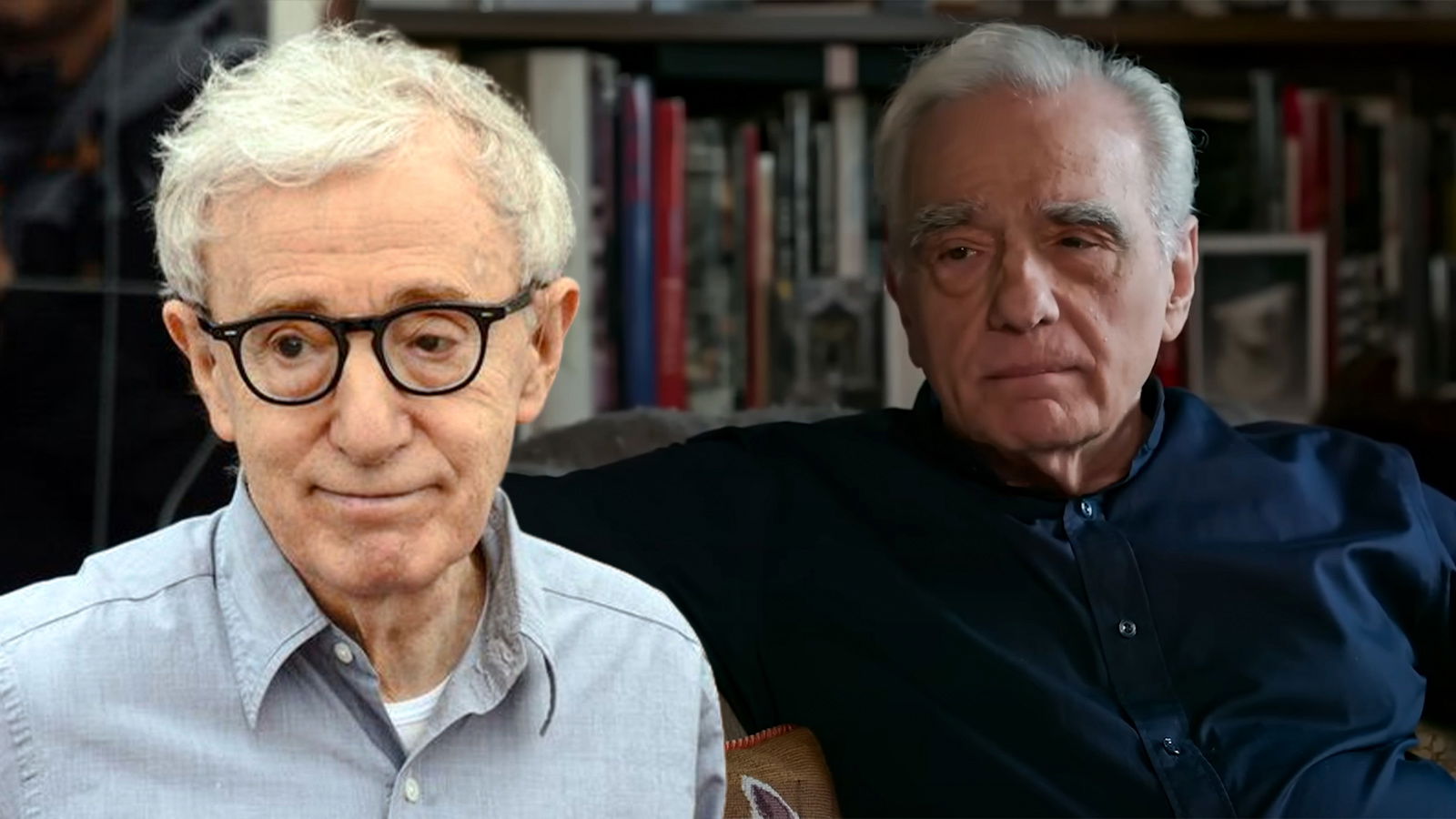
From Martin Scorsese's Taxi Driver to Woody Allen's Match Point, some of the most unforgettable movies out there owe a quiet debt to Fyodor Dostoevsky. Sure, you won't see his name plastered across the posters, but his vibe is all over Hollywood.
The Russian master's favorite playgrounds, guilt, obsession, morality, faith, and the messy duality of human nature, translate almost too perfectly to the screen. Think about it: loners spiraling in New York streets, killers convinced they've outsmarted morality, families torn apart by power and betrayal. That's Dostoevsky, but with sharper suits and slicker cinematography.
The wild part is how seamlessly his ideas slip into thrillers, crime sagas, and psychological dramas without audiences even realizing they're basically watching modern-day Crime and Punishment. It's philosophy disguised as pop culture, and once you start spotting the Dostoevskian DNA, you can't unsee it.
1 Taxi Driver (1976, Martin Scorsese)
Taxi Driver is your answer if you've ever wondered what it looks like when loneliness boils over into obsession. Directed by Martin Scorsese and written by Paul Schrader, this 1976 psychological thriller dropped Robert De Niro into the backseat of a yellow cab as Travis Bickle, a Vietnam vet spiraling into urban paranoia.
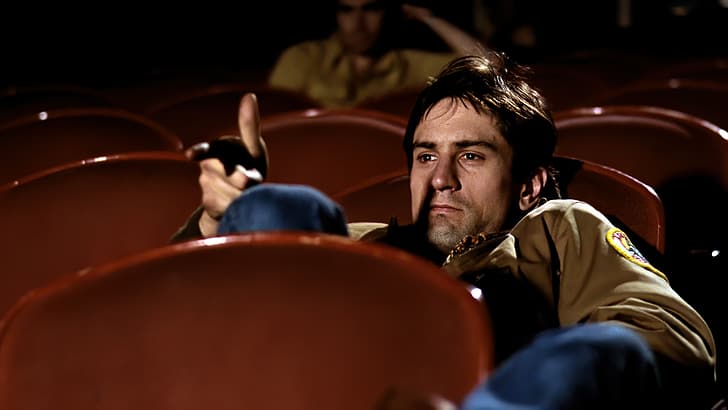
Jodie Foster (in a role that shocked the world at just 12), Cybill Shepherd, and Harvey Keitel round out a cast that feels as New York as graffiti-covered subway cars and late-night diners. Add Bernard Herrmann's pulsing final score, and you get one of the rawest snapshots of post-Vietnam America ever put on screen.
Travis feels like he could have been born straight out of Dostoevsky's pages, a modern Underground Man steering a yellow cab instead of sulking in a basement. He scribbles in his diary, seethes against a world he feels alienated from, and latches onto the idea of "saving" a young girl, just like Dostoevsky's Liza in Notes from Underground.
The way Travis romanticizes his own despair? Pure Russian existential angst, only set against the neon grime of Times Square.
| Name | Release Year | IMDb | Rotten Tomatoes Score | Production House | Box Office |
| Taxi Driver | 1976 | 8.2 | 89% | Columbia Pictures | 28.6 Million |
And the world noticed. Produced by Columbia Pictures, Taxi Driver was made for under $2 million but pulled in over $28 million, scooped the Palme d'Or at Cannes, and landed Oscar nods across four categories, including Best Picture, Best Actor, Best Supporting Actress, and Best Original Score.
De Niro's "You talkin' to me?" became iconic, Foster walked away as a prodigy, and Scorsese cemented himself as cinema's resident chronicler of alienated men on the edge.
What makes it stand out is how timeless it feels. Strip away the 70s grit and it's still the same story Dostoevsky told a century earlier: a man suffocated by his thoughts, desperate to matter.
Taxi Driver is currently available to rent on Apple TV+
2 The Departed (2006, Martin Scorsese)
Scorsese doesn't just make crime films; he makes morality puzzles dressed up as thrillers, and The Departed might be his flashiest one yet. Dropping in 2006 with a stacked cast including Leonardo DiCaprio sweating bullets as Billy Costigan, Matt Damon slick as the rat in the system, and Jack Nicholson chewing scenery as mob boss Frank Costello.
It's a Boston-set game of double lives, betrayals, and lies that spiral out of control. It's tense, violent, and surprisingly funny in that dark Scorsese way.
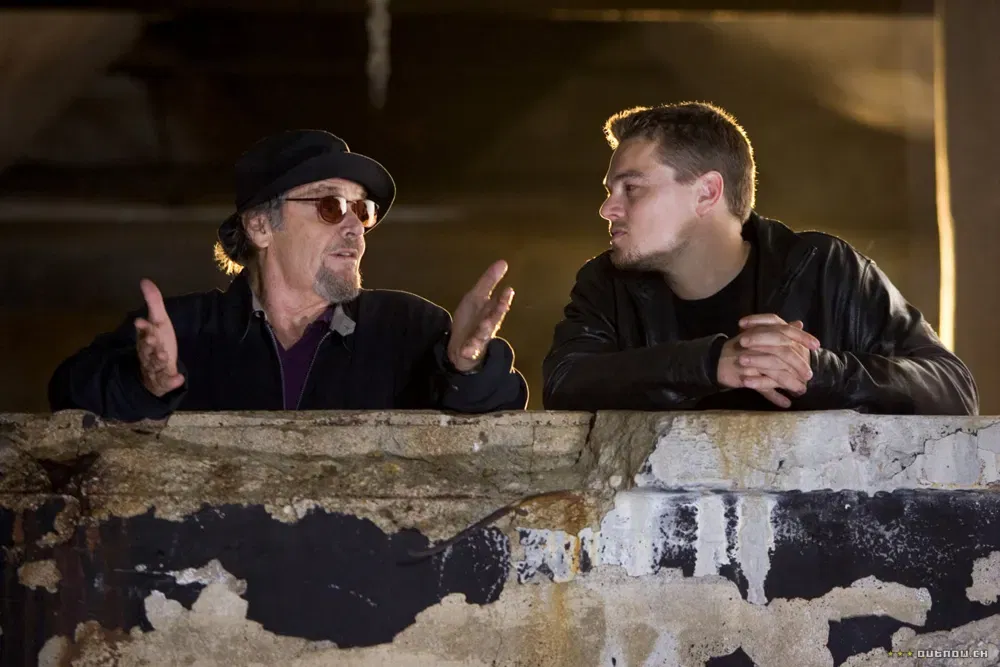
But beneath all the chaos, there's something very Dostoevsky going on. The story isn't just about cops versus criminals, it's about fractured identities, guilt eating away at the soul, and men trapped by choices that make them strangers to themselves.
Every move Billy or Colin makes pulls them deeper into an existential quicksand. The masks they wear don't just fool others; they destroy them from the inside, exactly the kind of psychological implosion Dostoevsky lived to explore.
| Name | Release Year | IMDb | Rotten Tomatoes | Production House | Box Office |
| The Deaparted | 2006 | 8.5 | 91% | Warner Bros. Pictures | 291.5 Million |
The movie also performed culturally and critically, earning nearly $300 million at the box office and winning four Oscars, including Scorsese's long-overdue Best Director win. It proved that a twisty, morally murky gangster tale could be both high art and a crowd-pleaser.
And that's what keeps The Departed rewatchable, it's not about who's the good guy or the bad guy, it's about the haunting idea that maybe no one's whole, maybe everyone's already split in two.
The Departed is currently available to stream on Netflix.
3 Enemy (2013, Denis Villeneuve)
Some movies hit you with jump scares, others with big plot twists. Enemy (2013) just slides into your brain and refuses to leave. Directed by Denis Villeneuve, long before Dune made him a blockbuster staple, it stars Jake Gyllenhaal pulling double duty as Adam, a withdrawn professor, and Anthony, a cocky actor who happens to look exactly like him.
The movie spirals into a hypnotic puzzle of paranoia, obsession, and one unforgettable giant spider when Adam spots his twin on screen.
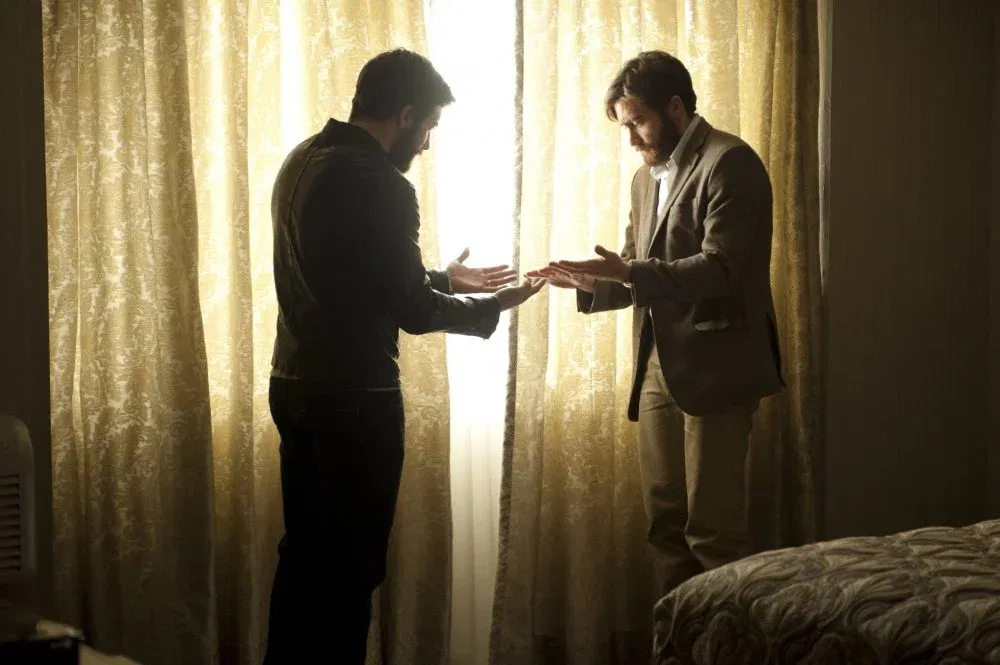
This is pure Dostoevsky territory, anxieties about identity, the terror of confronting your own reflection, the unraveling of the mind when faced with truths too strange to process. Just like in Dostoevsky's The Double, Villeneuve forces you to question what's real and what's just your own subconscious clawing at you.
| Name | Release Year | IMDb | Rotten Tomatoes Score | Production House | Box Office |
| Enemy | 2013 | 6.9 | 73% | Entertainment One | 3.5 Million |
While it didn't smash box office records, it received tremendous critical acclaim. Awards buzz followed, too; the film snagged five Canadian Screen Awards, including Best Director for Villeneuve and Best Supporting Actress for Sarah Gadon.
What keeps Enemy standing out is that it doesn't explain itself. It lingers, daring you to wrestle with its imagery and contradictions. It's not just a film you watch; it's one you live with long after the credits roll.
Enemy is available to rent on Apple TV+.
4 The Machinist (2004, Brad Anderson)
If method acting ever needed a poster child, it's Christian Bale in The Machinist. The man turned his body into a skeleton just to play Trevor Reznik, a factory worker who hasn't slept in a year. He's pale, hollow-eyed, barely there, a walking ghost of his own mistakes.
You can feel the film scratching at your nerves from the first frame. It's part psychological thriller, part descent-into-hell character study, and all atmosphere.
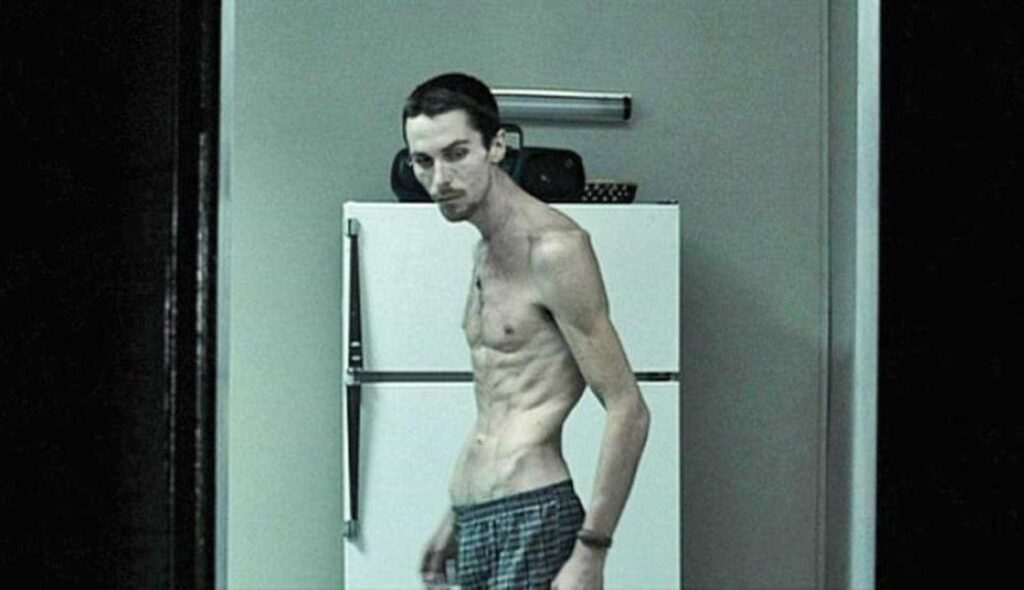
What makes it stick isn't just Bale's shocking transformation; it's the way the story itself feels ripped out of Dostoevsky's darkest notebooks. Trevor's imaginary "double" Ivan feels like something out of The Double. His suffocating guilt could be straight from Crime and Punishment. Even his search for scraps of redemption feels borrowed from The Idiot. You're basically watching Dostoevsky with neon lights and industrial grime.
The movie didn't make blockbuster waves, grossing just around $8.2 million on a $5 million budget, but it became an instant cult legend. Bale's transformation is still one of the most extreme in Hollywood history, earning him festival wins at Sitges and global acclaim.
| Name | Release Year | IMDb | Rotten Tomatoes Score | Production House | Box Office |
| The Machinist | 2004 | 7.6 | 77% | Castelao Producciones | 8.2 Million |
And honestly, the film doesn't let you off the hook. You're trapped in Trevor's unraveling headspace, paranoid alongside him, desperate for some flicker of light that never really comes. That's the genius, it's not just a thriller, it's Dostoevskian dread dressed in a modern nightmare.
The Machinist is available to rent on Apple TV+.
5 Children of Men (2006, Alfonso Cuarón)
Alfonso Cuarón's Children of Men isn't just dystopia, it's dystopia that feels uncomfortably close, like a glimpse at tomorrow's headlines. Set in a world where humanity hasn't had a child in nearly two decades, it trades sci-fi flash for gritty realism.
Forget neon skylines and flying cars, Cuarón gives us a broken-down UK full of refugee camps, barbed wire, and a government clinging to order while everything else collapses.
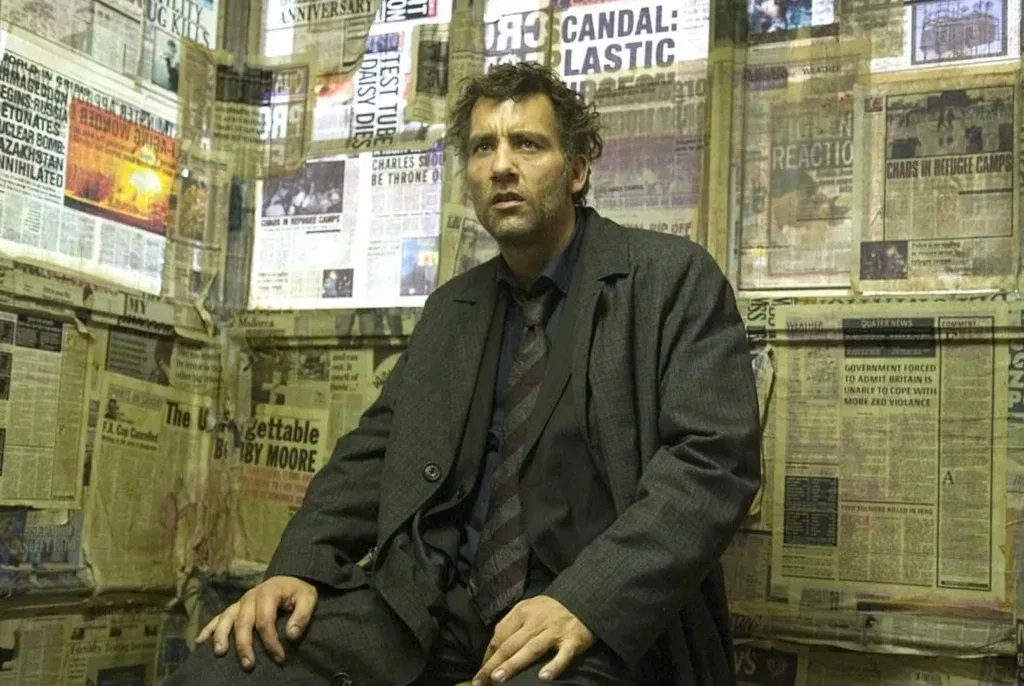
At the center is Theo (Clive Owen, giving his most understatedly brilliant performance), a man who's basically sleepwalking through life until he's thrown into protecting Kee, the one person carrying a miracle: the first pregnancy in 18 years. What unfolds is a road movie soaked in dread and fleeting bursts of hope.
What makes Children of Men so powerful isn't just the tension; it's the philosophy under it. It's Dostoevsky by way of cinema, meditating on despair, faith, and whether humanity even deserves redemption. Like Raskolnikov in Crime and Punishment, Theo wrestles with moral paralysis, guilt, and the terrifying weight of choice.
| Name | Release Year | IMDb | Rotten Tomatoes Score | Production House | Box Office |
| Children of Men | 2006 | 7.9 | 92% | Strike Entertainment | 70.5 Million |
The movie scored Oscar nods for screenplay, editing, and cinematography, took BAFTAs for Best Cinematography and Production Design, and even a Canadian Critics Director win. By the time children's laughter breaks the silence in the final scene, it's less an ending and more a question: can humanity be reborn, or will it collapse under its own sins?
Children of Men is currently available to rent on Apple TV+.
6 Crimes and Misdemeanors (1989, Woody Allen)
If Dostoevsky wrote a screenplay in 1980s New York, it would look a lot like Crimes and Misdemeanors. Woody Allen takes the existential dread of Crime and Punishment and drops it into cocktail parties, Manhattan apartments, and the cold silence of success.
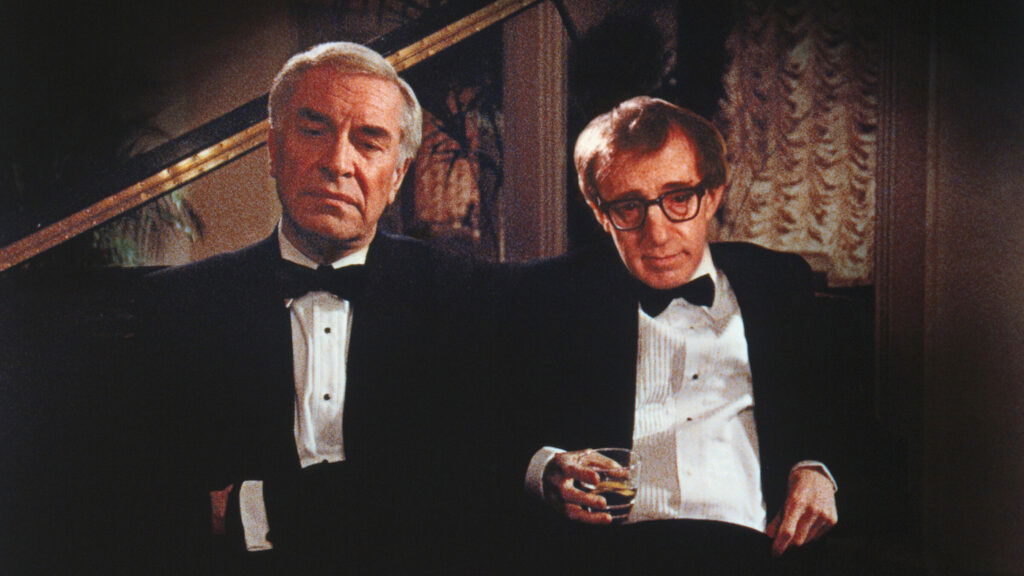
The story splits into two: Martin Landau plays Judah, a respected doctor whose affair spirals into blackmail and pushes him toward a brutal choice. Woody, meanwhile, plays Cliff, a filmmaker who's drowning in professional failure and moral compromise.
Together, their arcs show us two sides of the same Dostoevskian coin: guilt and survival versus compromise and despair. Where Raskolnikov is crushed by conscience, Judah does the unthinkable: he simply walks away. No punishment, no divine justice. That's the real horror.
| Name | Release Year | IMDb | Rotten Tomatoes Score | Production House | Box Office |
| Crimes and Misdemeanors | 1989 | 7.8 | 92% | Warner Bros. | 18.3 million |
And people noticed. The film was a legit hit for Allen, pulling in around $18 million domestically, and critics showered it with love. It scored three Oscar nominations (Director, Screenplay, Supporting Actor for Landau) and even nabbed Allen the Writers Guild Award for Best Screenplay.
What makes Crimes and Misdemeanors sting is its refusal to give us neat endings. Sometimes, the guilty sleep soundly, and the good guys just keep losing. It's Dostoevsky with a shrug and a whiskey glass, and that's why it lingers.
Crimes and Misdemeanors is currently not available to stream on any platform.
7 Match Point (2005, Woody Allen)
Imagine if Dostoevsky's Raskolnikov got a sleek suit, a tennis racket, and London's upper crust pressing in on him; that's Match Point. Woody Allen trades New York neurosis for Belgravia elegance in this psychological thriller. Jonathan Rhys Meyers plays Chris Wilton, a former tennis pro who marries into wealth, only to risk everything in a reckless affair with Scarlett Johansson's character, Nola.
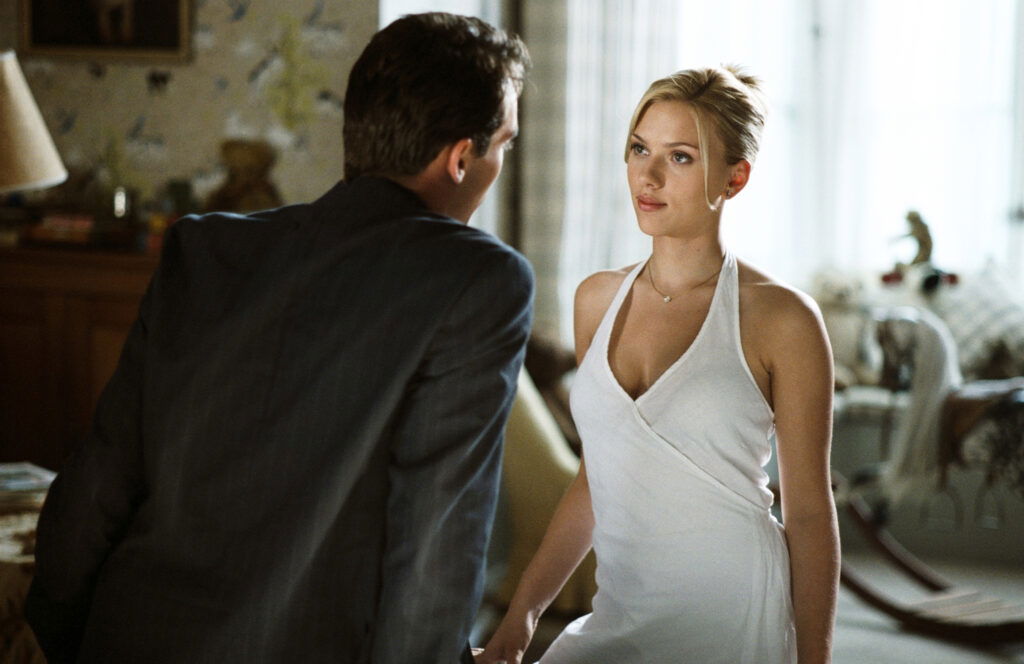
The film opens with a neat nod to the source of inspiration: Chris is literally reading Crime and Punishment. The parallel is clear, wealthy, smooth-talking Chris commits murder not out of ideological disdain, but calculation. Unlike Dostoevsky's tortured conscience, Chris glides through life untouched by guilt. The real theme is luck, not morality, decides the outcome, what a savage remix of existential dread.
| Name | Release Year | IMDb | Rotten Tomatoes Score | Production House | Box Office |
| Match Point | 2005 | 7.6 | 77% | DreamWorks Pictures | 85.3 Million |
Critics were into it. With a $15 million budget, Match Point made a tidy ~$85 million globally. It snagged an Oscar nod for Best Original Screenplay and four Golden Globe noms — Best Picture, Director, Screenplay, and Scarlett for Supporting Actress.
In short, Match Point is the Dostoevsky remix we didn't know we needed: the moral decay of Crime and Punishment, but postmodern, polished, and bleaker. It doesn't tug at your conscience; it makes you complicit.
Match Point is currently available to stream on The CW.
8 Pickpocket (1959, Robert Bresson)
Imagine Crime and Punishment shrunk down to 75 minutes, set in Paris, and stripped of all its noise; that's Bresson's Pickpocket. Michel isn't stealing because he needs money; he's stealing because he's addicted to the thrill of getting away with it. It's less "petty theft" and more "existential dare," like he's waiting for someone, God maybe, to finally call him out.
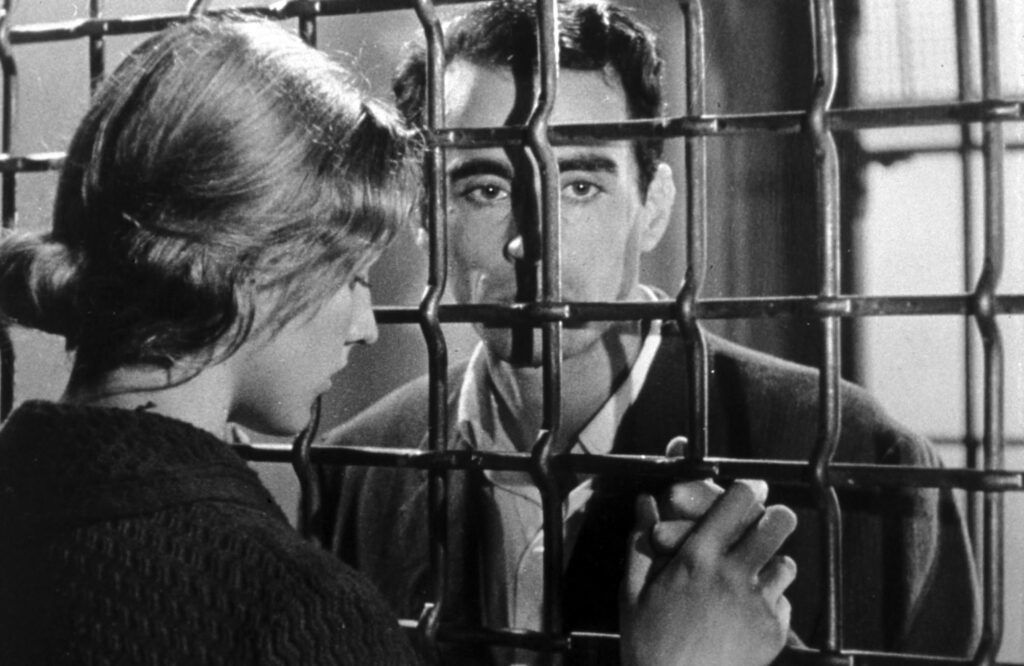
Bresson shoots it with this eerie calm, close-ups of hands sliding into pockets, trains rattling by, faces that barely flinch. It's cold, but it cuts deep. You feel every ounce of Michel's loneliness without him ever really saying it out loud.
And the Dostoevsky vibes are everywhere. Michel might as well be Raskolnikov's Parisian cousin, rationalizing every sin while secretly drowning in guilt. Watching him spiral is haunting because it feels so internal, like the whole movie lives inside his head.
| Name | Release Year | IMDb | Rotten Tomatoes Score | Production House | Box Office |
| Pickpocket | 1959 | 7.5 | 93% | – | – |
Though it wasn't a box office hit, Pickpocket became hugely influential. Paul Schrader, who went on to write Taxi Driver, has called it one of his greatest inspirations, and once you've seen it, you get why. It's not flashy, it's not loud, but it lingers. A bare-bones masterpiece that proves sometimes the smallest stories ask the biggest questions.
Pickpocket is currently available to rent on Apple TV+.
9 The Great Sinner (1949, Robert Siodmak)
Picture this: Gregory Peck as Fedja, a Russian writer who boards a train, meets Ava Gardner's dazzling countess Pauline, follows her to a casino, and ends up neck-deep in gambling addiction. That's The Great Sinner, MGM's glossy (if slightly overambitious) take on Dostoevsky's The Gambler.
It's opulent, dramatic, and dripping with the kind of grand morality play Hollywood does best.
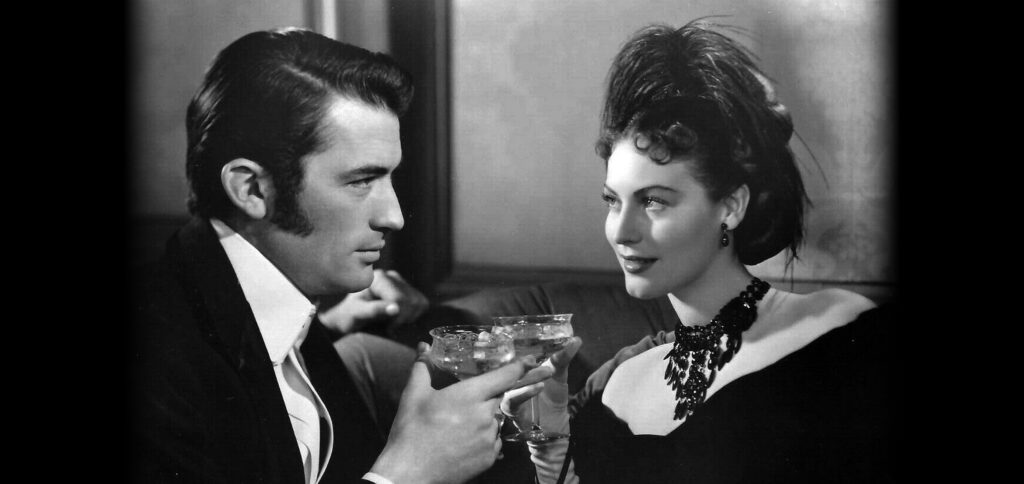
But here's the catch, Fedja's descent into the feverish world of roulette isn't just dramatic; it's eerily Dostoevskian. Tapping into the chaos of the soul, the film translates the novel's core obsession, gambling as self-destruction, into a high-stakes moral spiral. Without Dostoevsky's sharper insight into human frailty, though, the movie sometimes feels more soap opera than soul-searching.
| Name | Release Year | IMDb | Rotten Tomatoes Score | Production House | Box Office |
| The Great Sinner | 1949 | 6.6 | 50% | MGM | 2 Million |
MGM threw serious money at this. It cost just over $2 million and starred an all-star lineup. But the box office wasn't on board. It grossed just $800K under the budget. But it snagged an Oscar nod for Best Costume Design, very "Hollywood" for a Dostoevsky adaptation. Still, it stands out today as a curious bridge between Russian existential angst and Golden Age movie glamour.
The Great Sinner is currently not available to stream on any platform.
10 Fight Club (1999, David Fincher)
This movie doesn't just live in your head; it punches its way into your psyche. Directed by Fincher and based on Chuck Palahniuk's novel, Fight Club follows Edward Norton's insomniac Narrator, who's so numb to life he forms an underground fight club with Brad Pitt's anarchic alter ego, Tyler Durden. It's raw, it's unhinged, and it's equal parts existential rebel yell and cultural grenade.
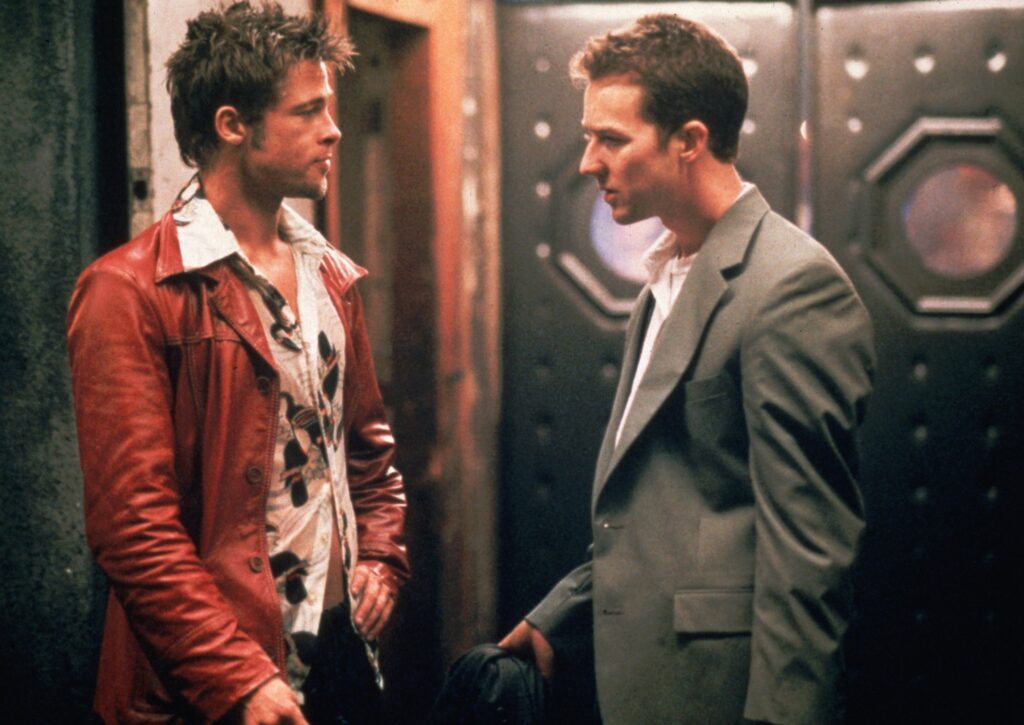
Here's the twist: beyond the punches and soap-making, this flick is like a Dostoevskian meltdown played in grunge tones. The Narrator's split identity, the craving for pain to feel real, the rejection of hollow consumerism, it's Raskolnikov through a basement brawl in America. The battle isn't just physical; it's a war on self, truth, and the toxic script that society keeps feeding you.
| Name | Release Year | IMDb | Rotten Tomatoes Score | Production House | Box Office |
| Fight Club | 1999 | 8.8 | 81% | 20th Century Fox | 101 Million |
Despite its now-legendary status, Fight Club was a slow burn out of the gate. Budgeted in the $63M range, it only made about $37M domestically and $101M worldwide, but exploded later in DVD culture, rewriting what success looks like. It received one Oscar nod (Best Sound Editing) and a smattering of nominations, including Empire Awards and Helena Bonham Carter.
Fight Club doesn't hand out answers. It mocks consumerism, annihilates delusion, and dares you to question whether identity is something you build or something you fight to reclaim, a badass philosophical beatdown masquerading as a cult classic.
Fight Club is currently available to stream on HBO Max.
11 The Godfather Trilogy (1972-1990, Francis Ford Coppola)
If cinema had a holy scripture, The Godfather trilogy would be carved right into its first page. Francis Ford Coppola didn't just make mob movies; he built a dynasty on screen, one that still dominates the way we think about power, family, and the price of loyalty. From Brando's raspy whispers in 1972 to Pacino's chilling descent across Part II and Part III, this saga feels less like fiction and more like watching the American Dream cannibalize itself.
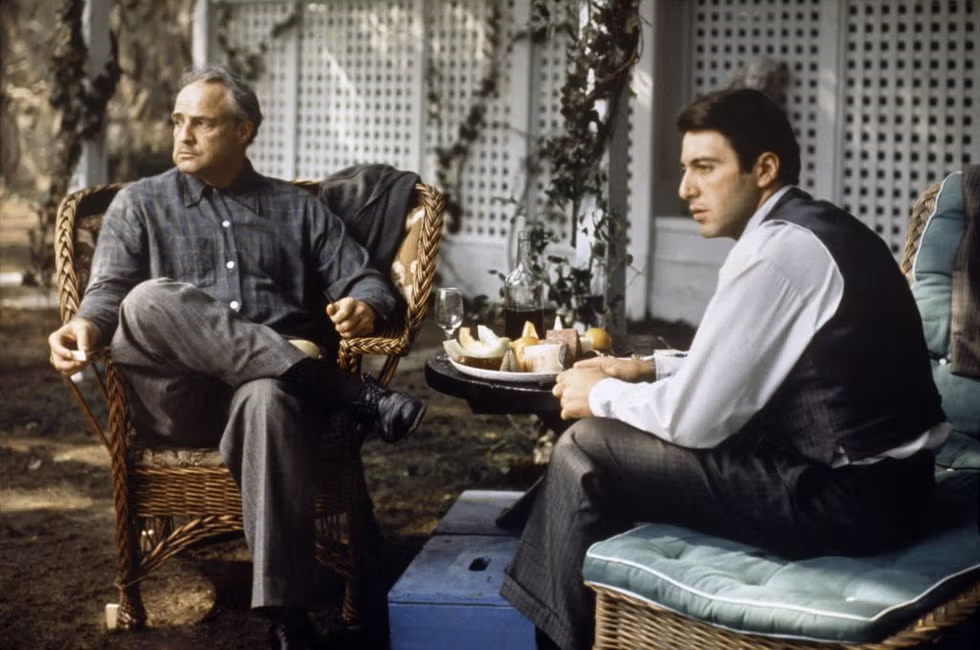
The original Godfather was the top-grossing movie of 1972, and Part II became the first sequel ever to win Best Picture at the Oscars. Together, the trilogy racked up 28 Oscar nominations and nine wins, hauling in nearly half a billion dollars worldwide.
But beneath the iconic lines and operatic violence, what keeps this story alive is how Dostoevskian it all feels. Michael Corleone's transformation from reluctant son to ruthless don isn't just a mob tale; it's a psychological spiral.
| Name | Release Year | IMDb | Rotten Tomatoes Score | Production House | Box Office |
| The Godfather | 1972 | 9.2 | 97% | Paramount Pictures | 291 Million |
| Name | Release Year | IMDb | Rotten Tomatoes Score | Production House | Box Office |
| The Godfather II | 1974 | 9 | 96% | Paramount Pictures | 93 Million |
| Name | Release Year | IMDb | Rotten Tomatoes Score | Production House | Box Office |
| The Godfather III | 1990 | 7.6 | 66% | Paramount Pictures | 139 Million |
Like a character torn from Crime and Punishment, he spends three films bargaining with his own soul, clinging to control while drowning in guilt and power. By the time we reach that devastating final shot of Part III, Michael isn't just the head of a family. He's a man exiled from his own humanity.
That's why The Godfather never fades. It's crime, it's opera, it's Shakespeare, it's Dostoevsky, it's everything cinema aspires to be.
The Godfather trilogy is available to stream on Apple TV+.
12 Naked (1993, Mike Leigh)
Imagine sliding into London's underbelly at 2 AM, where every street corner feels like a prophecy. That's Naked for you, Mike Leigh's raw, black tragicomedy anchored by David Thewlis as Johnny, a venomous, brilliant, and infuriating intellectual drifter. The film doesn't just show grit; it is grit spoken aloud in Johnny's tirades about apocalypse, God, and the decay of society.
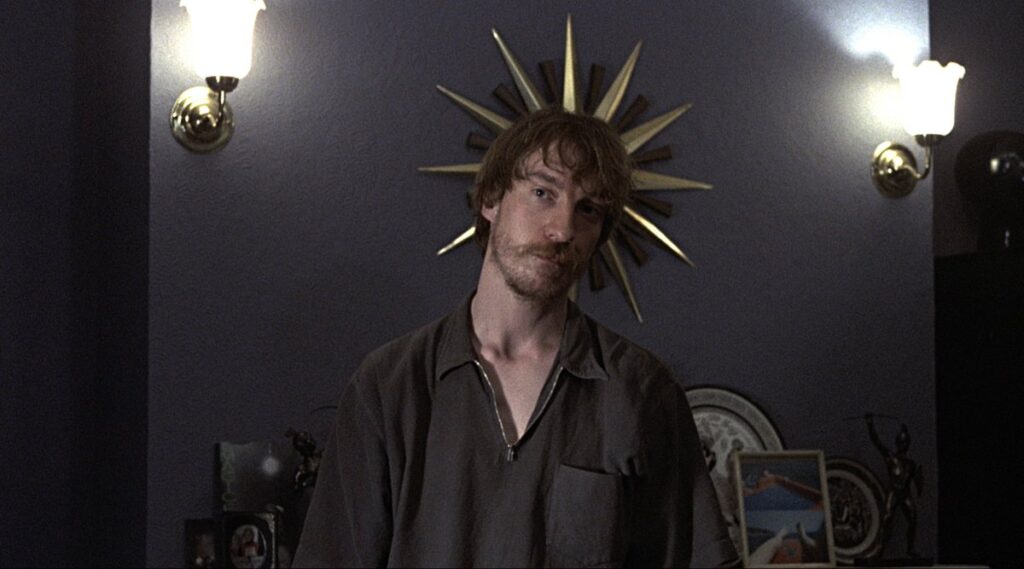
This is pure Dostoevsky energy. Johnny is anarchy walking in human form, torn between nihilistic ranting and bizarre bursts of empathy. He lights trash fires with monologues that would feel at home in the pages of Notes from Underground. Watching him spar with existence in the alleys of London is like reading a Dostoevsky character unfiltered through decades of cynicism.
| Name | Release Year | IMDb | Rotten Tomatoes Score | Production House | Box Office |
| Naked | 1993 | 7.7 | 88% | Thin Man Films | 1.8 Million |
Naked stormed Cannes, grabbing Best Director and Best Actor for Leigh and Thewlis, while snagging a BAFTA nod for Outstanding British Film, among others. It even birthed a cult legacy, still hitting Best of the 90s lists decades later.
What lingers about Naked is that grind of existential dread with a dark laugh stuck in your throat. It doesn't just ask Can we survive ourselves? It drags you into that question and leaves you there, buzzing, and that's the kind of insanity Dostoevsky would've applauded.
Naked is available to stream on The Criterion Channel.
At the end of the day, Dostoevsky's fingerprints are all over cinema, whether it's Scorsese's gritty New York streets, Villeneuve's fractured identities, or Bresson's stripped-down portraits of guilt. These films don't just tell stories; they wrestle with the same eternal questions Dostoevsky asked.
Which other films do you think sneak in Dostoevsky-level guilt, chaos, and moral meltdowns? Let us know in the comments below!
FW Standards: Trust Principles


0 件のコメント:
コメントを投稿